With the right strategy, mobile ads can enhance the buyer’s journey because they encourage advertisers to provide helpful information at the right time in pivotal consumer decision-making micro-moments.

What exactly are “micro-moments”?
People want instantaneous access to information throughout their day. What’s a taco place that’s “near me”? Ok, the nearest one is less than 0.1km from me. How many calories does this box of poutine have? Oh, maybe I’ll have a sandwich and salad instead.
“More Google searches take place on mobile devices than on computers in 10 countries including the US and Japan. (Source: Inside AdWords: Building for the next moment)
The purchasing process is often spread across multiple devices. For instance, it could start on a mobile device, be continued on a tablet, and a purchase could then be completed on a laptop.
Here’s what I mean:
I’m waiting for my bus to arrive, so I get curious about the price of flights to Hawaii. I start searching on my mobile phone and click on the top ad while logged into my Google account. During my lunch break at work, I continue researching flight prices on my tablet and click on another ad, also logged into my Google account. Then, I purchase the tickets on my laptop at home that evening after being remarketed to, also logged into my Google account. Google tracks this process as a multi-channel conversion, which is shown in your AdWords account.
My search for flight prices at the bus stop and my lunch-time search on my tablet were both pivotal micro-moments. This cross-device path led to me being remarketed to and then purchasing. This is how the user journey has evolved.
“37% of mobile searches result in conversions” (Source: Google Canada Nielsen Mobile Search Moments 2015).
6 things you can do to deliver value to the user in micro-moments
- Master the basics. No matter what the device, Google prioritizes ad and landing page relevance. Connect the content in your ad and on your landing page with the context of the searcher’s intent.
- Don’t just be present in these micro-moments; aim to help first and sell second. Help to solve the searchers query first with relevant information, in order to establish a presence and build some rapport. Then, think about conversions.
- Use data from Google keyword tools to discover the moments that consumers need you most. Out of this research, find content gaps and build content to help answer the consumer’s questions. Identify what consumers are searching for and how you can help to answer their queries. If you notice on Google Trends that shoppers are searching for a brand comparison (e.g. brand A vs. brand B), you should then build some competitor comparison landing pages a competitive ad campaign bidding on these types of search queries.
- Make use of ad extensions. I mean, really take ad extensions seriously! Use as many as you can, especially call extensions, sitelink extensions, and location extensions to shorten the steps as much as possible from research to purchase. Google will choose the extensions that are most relevant to the user’s search query, so the more you provide the better.
- Aim to match the searcher’s intent to your ad. That’ll drive them to a specific landing page full of relevant, useful content relating to their search query.
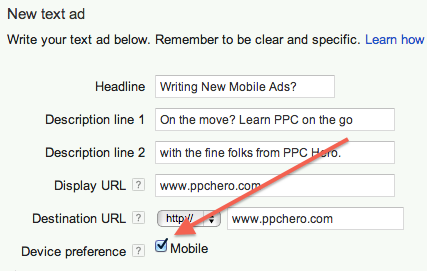
The beauty of ad extensions is that they make your ad bigger than the surrounding ads in SERPs and more noticeable to the searcher. - Mobile Preferred Creatives: 62% of respondents in the Mobile Search Moments 2015 study said that they noticed ads on a mobile device. When creating a new ad, check the mobile box in the device preference section to optimize the ad for mobile.
What are your thoughts on micro-moments? Share them in the comments below!
Further reading: Are Micro-Moments Changing the User Journey?
Sources:
Think With Google
https://www.thinkwithgoogle.com/articles/i-want-to-go-micro-moments.html
https://www.thinkwithgoogle.com/articles/zmot-why-it-matters-now-more-than-ever.htmlClick to access mobile-search-moments-canada.pdf
Click to access Mobile-Search-Moments-Canada_research-study.pdf
http://adwords.blogspot.ca/2015/05/building-for-next-moment.html
PPC Hero
First, get to know the searcher’s pain points. Then, create your content based on those pains to satisfy the searchers needs at the right micro-moment.



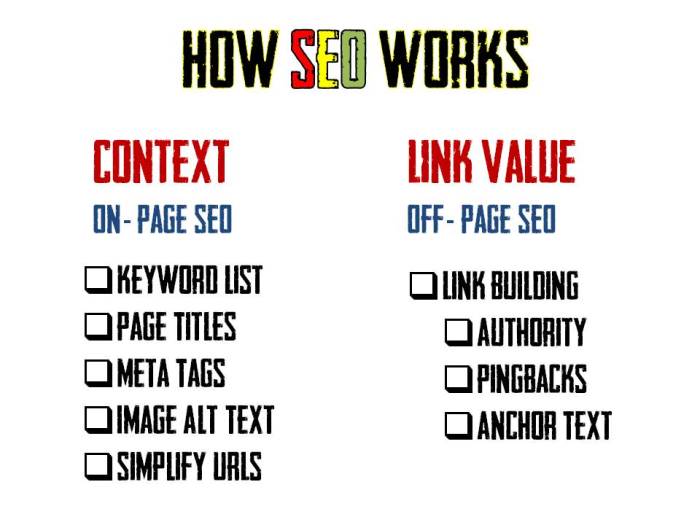


 Unlike humans, search engines cannot see images. Search engines only read the source code. Make it easy for search engines to navigate your images by including keywords in the alt text of your source code. This alt text also appears when a visitor hovers over your image. To do this, add a clear description using relevant keywords in the alt text of your image. Below is the alt text of the image above:


 Introduction
 LinkedIn presents excellent networking opportunities for both businesses and individuals. Setting up a LinkedIn Group for your company is an extremely useful step that brings your employees, fans, clients, and prospect clients together in one place. The hardest part is attracting people to join your group. Whether you already have a group set up or are considering setting one up, follow these steps to make your LinkedIn Group more effective:
 A company page is for your fans, but a group is designed to connect a community around a shared interest. Since your LinkedIn Group will be represented by your members’ LinkedIn profile via a group badge, you need to ask yourself: “What badge would your target market like to have featured on their LinkedIn profile?” Something like “XYZ Company” won’t add any value to your member’s profile, as not everyone may have heard of your company. On the other hand, a group called “Java Developers Network” will show people that this person is interested in Java code.
 Not everyone knows who or what Critical Mass stands for, which requires further research and effort to understand that not many will do this research. Also, more people are willing to join a group if it is going to benefit their industry. Your aim should be to attract prospect clients to your group. Your current clients and fans needs are already met with your company page, so your group should focus on providing valuable information to industry professionals.